
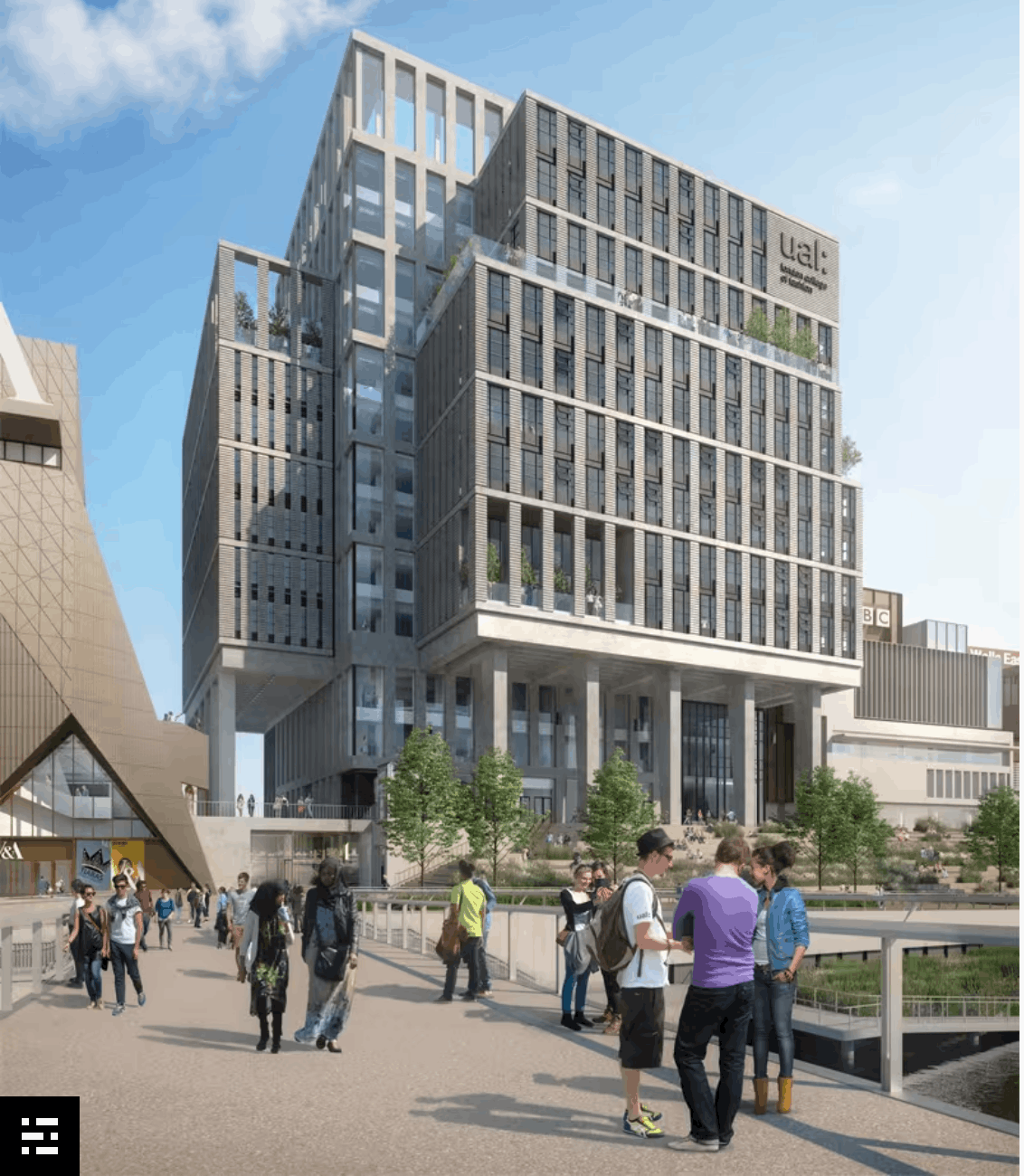

University of the Arts London (UAL) has been named the world’s leading provider of undergraduate creative education for the eighth consecutive year, securing the number two overall position for Art and Design in the QS World University Rankings 2026.
The Royal College of Art, dedicated exclusively to postgraduate study, continues to hold first position. For eight consecutive years, institutions in London have held both top spots, affirming the city’s position as a centre of creative educational excellence with no parallel elsewhere in the world.
This is no coincidence. One in five London jobs is in the creative economy. London’s creative force, powered by the many international communities that call the city home, fuels industries both locally within the UK and globally. The UK’s creative industries contributed £145.8 billion to the economy in 2024, growing at four times the rate of the wider economy.
UAL’s six Colleges reach every part of London, educating 22,000 students with an alumni community of over 270,000. Under Professor Karen Stanton, who took up the permanent role of Vice-Chancellor last year, UAL has set out an ambitious strategy for 2032 with widening access to creative education, strengthening global partnerships, and pioneering research into emerging technologies at its heart. Professor Stanton noted the collective effort required to maintain this level of educational excellence. “Behind every ranking are the students who chose to trust us with their creative education and the staff who come to work every day to make that education extraordinary,” Stanton said.
“Eight years at the top of the world rankings tells you something important, not just about UAL, but about what happens when a society invests seriously and consistently in creativity. Individual institutions cannot do this alone – we need to rely on a pipeline that makes creative education available to all. To maintain the UK’s world-class creative industries, supporting arts education in this country has never been more important. Our graduates go on to power the economy through entrepreneurial start-ups that create more jobs and through using their creative skills to solve problems of the future,” Stanton explained.
Looking ahead, the institution is focused on addressing the urgent challenges and technological shifts transforming the global landscape. “Our 2032 strategy is our commitment to go further, widening access so that more people at every stage of life can experience a UAL education and become part of our community, deepening our global partnerships, and ensuring our students are equipped to navigate and shape a world being transformed by technology. The creative industries are one of the fastest-growing parts of our economy. The world needs what our graduates create, and UAL’s job is to make sure they are ready,” Stanton added.