



In today’s world of visual overload, the challenge for brands is to stand out from the crowd and capture the attention of consumers. In this context, so-called “experiential print” is becoming increasingly important. This SPECIAL FEATURE ARTICLE, extracted from drupa blog/ Essentials of Print, looks at the role of tactile and multi-sensory elements in print and how textured surfaces, scent and sound effects, and innovative printing techniques can add value to print products

Experiential print refers to the use of tactile and multi-sensory elements in print products to create a more intense and memorable brand experience. These tactile and multi-sensory elements in print, including textured surfaces, scent and sound effects, and innovative printing techniques, can add value to print products.
HAPTIC ELEMENTS: THE IMPORTANCE OF TEXTURED SURFACES
The sense of touch plays a crucial role in the perception of brands and products. The use of textured surfaces can add a tactile dimension to printed products, enhancing the brand experience and leaving a lasting impression on the consumer. Textured coatings, relief printing, and embossing are just a few examples of tactile elements that can add value to printed products by providing a unique and appealing texture.
MULTI-SENSORY EFFECTS: THE POWER OF SCENT AND SOUND EFFECTS
In addition to touch, other senses such as smell and sound can be incorporated into the brand experience. By incorporating scent and sound effects into print products, brands can create an emotional connection with their customers and create a memorable experience. For example, scented print products such as promotional materials or packaging can provide a sensory experience that positively influences brand perception and increases consumer engagement.
INNOVATIVE PRINTING TECHNIQUES: THE FUTURE OF EXPERIENTIAL PRINTING
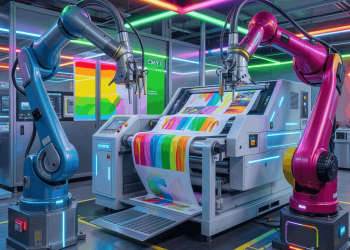
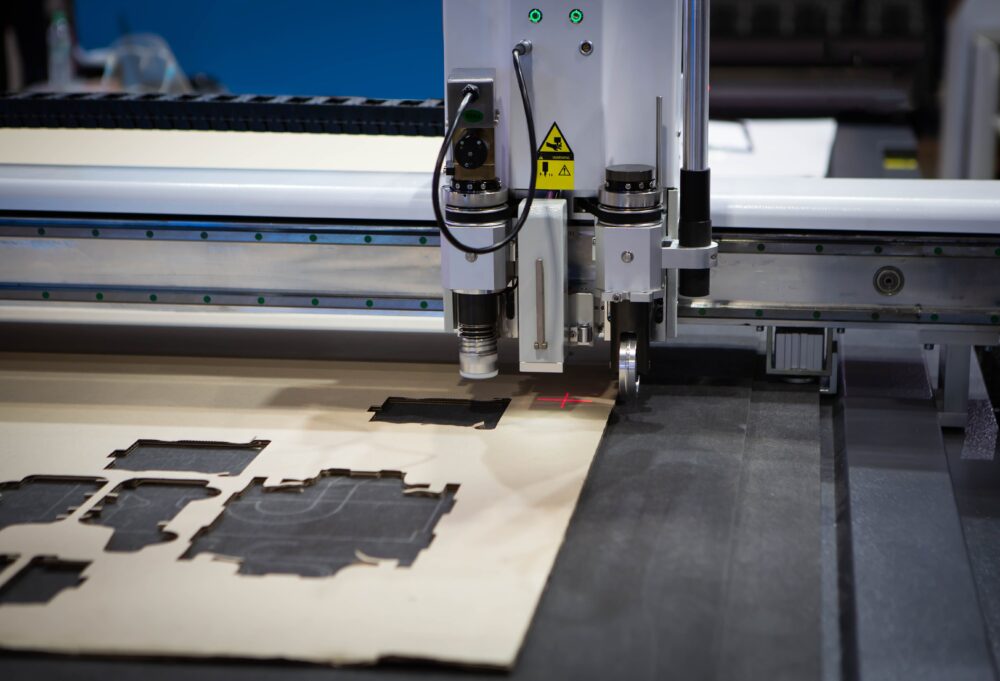
The rapid development of printing technologies makes it possible to create increasingly sophisticated and innovative printed products. From thermochromic inks that react to heat to conductive inks that enable interactive features, innovative printing techniques offer a variety of ways to add value to printed products. These technologies open up new ways to personalise the brand experience and put the customer at the centre.
© Shutterstock
THE IMPACT ON BRAND EXPERIENCE AND CUSTOMER LOYALTY
Incorporating tactile and multi-sensory elements into print products can have a significant impact on brand experience and customer loyalty. By creating unique and engaging print products that appeal to all the senses, brands can create an emotional connection with their customers and build long-term relationships. A positive brand experience not only increases customer loyalty but can also help improve brand perception and strengthen competitiveness in the marketplace.
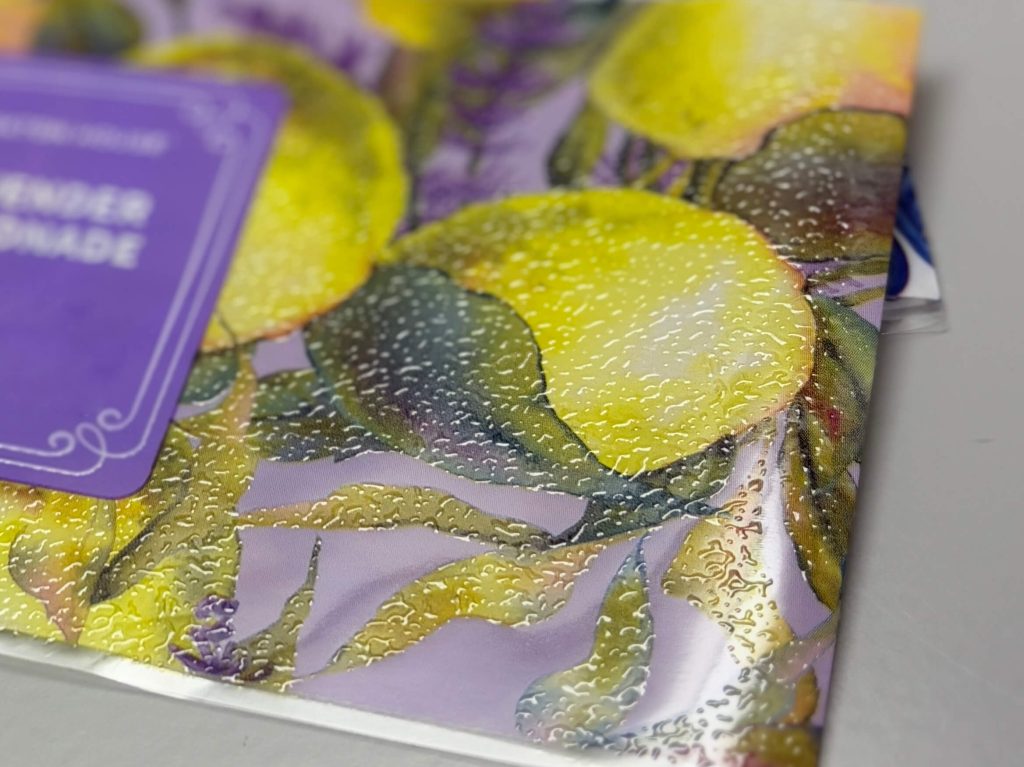
© Inovar Packaging Group – add luxury and dimension to your labels with Tactile Varnish
THE FUTURE OF EXPERIENTIAL PRINTING: TRENDS AND PERSPECTIVES
Experiential printing is only at the beginning of its development, and many more innovative approaches and technologies are expected to emerge in the future. With the increasing focus on personalised and emotional brand experiences, experiential printing will play an increasingly important role. Brands that invest in innovative printing techniques and find creative ways to engage their customers’ senses will gain a competitive advantage and strengthen their position in the marketplace.
Overall, experiential printing shows how the printing industry is evolving to meet the changing needs and expectations of consumers. By integrating tactile and multi-sensory elements, printed products can become a powerful tool for brands to communicate their messages, engage customers, and build long-term relationships.
© drupa blog
This SPECIAL FEATURE ARTICLE is culled from the drupa blog (www.drupa.com) to inspire and help you improve your print purchase decisions on the latest technologies, innovations, and trends in the print and packaging industry.