

Consumer demand in the Middle East and North Africa (MENA) region is fueling multi-figure economic growth, especially in the food, beverage, and personal care sectors, according to the World Bank. In this Markets & Markets analysis—adapted as a SPECIAL FEATURE ARTICLE—we explore the other key sectors poised to accelerate the continuous growth of the flexible packaging market:
The Middle East and North Africa (MENA) regions are demonstrating steady economic growth, with expansion averaging a modest 1.9% in 2024 and projected to moderately accelerate to 2.6% in 2025 and 3.7% in 2026, according to the World Bank. This gradual improvement in economic performance is supporting consumer demand across key sectors, particularly in food, beverages, and personal care.

Credit: iStockphoto – Unlock untapped potential and high returns in the flexible packaging sector.
The Beauty and Personal Care Sector in MENA is experiencing robust growth, with the market projected to reach USD 60 billion by 2025, up from USD 46 billion currently. Rising disposable incomes, a young and trend-conscious population, and increasing awareness of wellness and grooming are driving demand for premium and specialized products, including skincare, fragrances, and emerging beauty technologies.
In Africa, the Pharmaceutical Industry is expanding to meet the needs of approximately 1.3 billion people, with around 600 local manufacturers supporting domestic supply. Global exports of African pharmaceutical products have risen significantly from USD 492 million in 2012 to USD 1.5 billion in 2022, reflecting a strong compound annual growth rate of 12%. This growth indicates increasing production capabilities, technological advancement, and export potential.
Across MENA and Africa, the convergence of rising consumer demand, growing healthcare infrastructure, and expanding beauty and personal care markets is creating significant opportunities for investment and innovation. These trends highlight the region’s potential to strengthen economic resilience, improve healthcare access, and capitalize on evolving consumer lifestyles.
The Gulf Cooperation Council (GCC) is poised for accelerated economic and industrial growth, with the World Bank projecting regional GDP growth of 3.2% in 2025 and 4.5% in 2026, improving from 1.7% in 2024 as reported in the latest Gulf Economic Update. Rising urbanization, with 84.3% of the population expected to reside in cities by 2030, is fueling demand for residential and commercial infrastructure, driven by government-backed initiatives, increasing foreign investment, and shifting expatriate trends.
Simultaneously, the GCC’s Healthcare Sector is undergoing a significant transformation. With a pharmaceutical and biotechnology market valued at approximately 17 billion USD in 2023 and an anticipated growth rate of 7-8%, the region is becoming a hub for innovation, local production, and advanced healthcare solutions. Expanding urban populations, rising disposable incomes, and policy support for healthcare modernization are collectively driving growth in medical services, pharmaceuticals, and wellness-oriented industries. These economic and demographic dynamics, coupled with strategic investments, position the GCC as a key market for high-growth sectors, including consumer goods, healthcare, and industrial services, creating robust opportunities for domestic and international stakeholders alike.
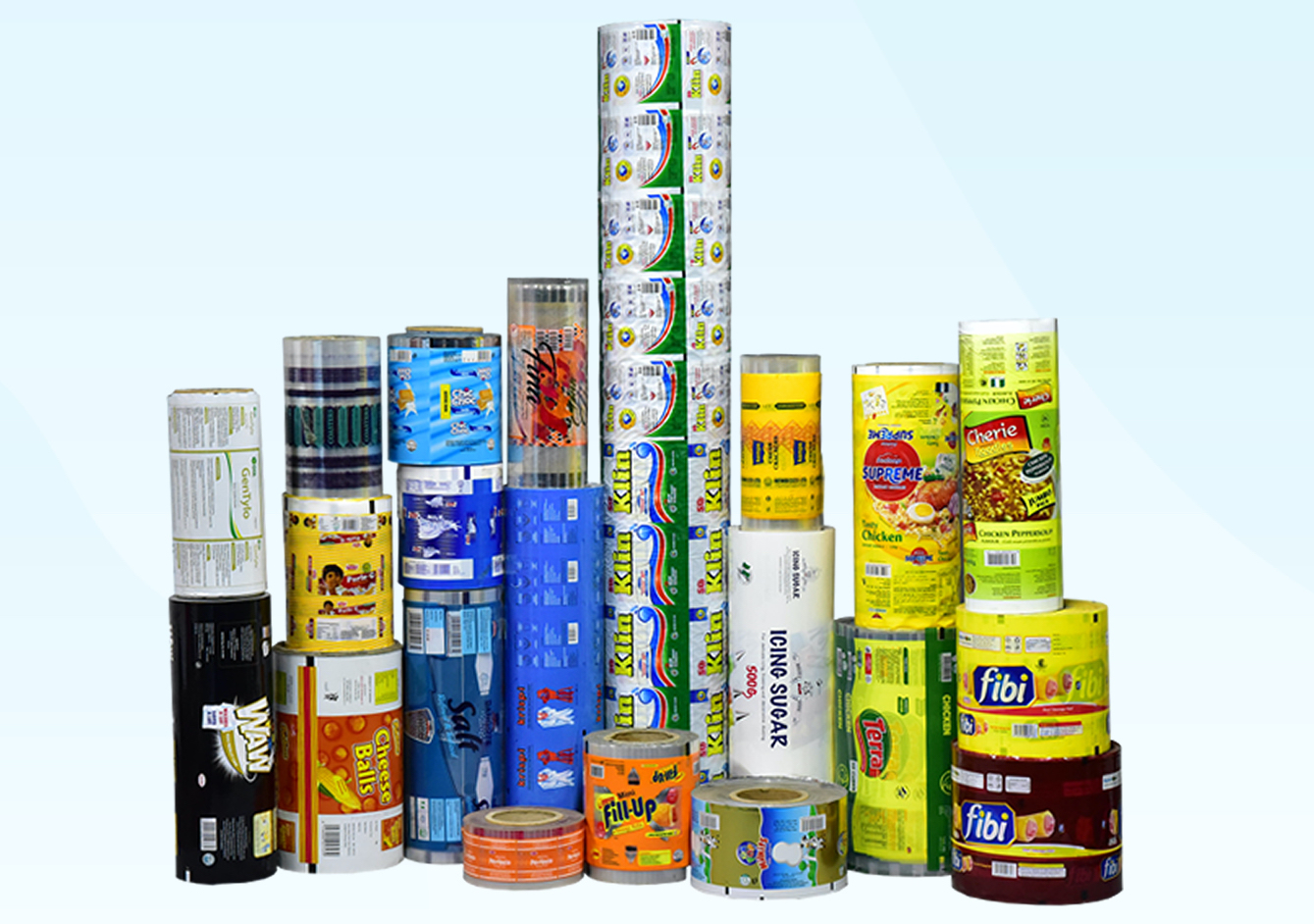
Credit: Vecteezy – flexible packaging is big business.
Saudi Arabia’s Flexible Packaging Market is witnessing rapid growth, underpinned by robust economic expansion and ambitious national initiatives. According to the State of Fashion Report, Saudi Arabia’s GDP has surged from USD 647 billion in 2016 to surpass USD 1 trillion in 2023, growing at a 7% CAGR since the introduction of Vision 2030. Over the past five years, nearly two-thirds of this growth has been driven by non-oil sectors, with non-oil GDP growing at five percent and accounting for 50% of the total GDP in 2023. This diversification has stimulated industrial activity and consumer spending, directly benefiting sectors that rely on flexible packaging.
The Packaged Food Market in Saudi Arabia reached USD 24.6 billion in 2024, expanding 6.0% annually since 2019, with projections to grow at 7.9% annually to USD 35.9 billion by 2029. The largest retail categories include baked goods (USD 6.7 billion), dairy (USD 4.6 billion), and rice, pasta, and noodles (USD 3.3 billion), while plant-based dairy recorded the highest CAGR of 11.8% during the period. Flexible packaging formats such as pouches and multilayer films are increasingly employed to meet demand for convenience, product protection, and extended shelf life.
Healthcare remains a government priority, with Saudi Arabia accounting for 60% of GCC healthcare expenditure. Vision 2030 emphasizes local production, technology transfer, clinical trials, and workforce training. Initiatives like the Pharmaceutical Investment Company (Lifera) aim to expand domestic biopharmaceutical manufacturing, enhancing resilience and global competitiveness.
The Cosmetics and Skincare Sector is projected to grow by nine percent over the next five years, reaching over USD 2 billion by 2028, while fashion and luxury are set to expand from USD 30 billion in 2023 to USD 42 billion by 2028. Flexible packaging adoption across these sectors is driven by the need for innovative, sustainable, and premium packaging solutions, catering to changing consumer preferences and supporting export and domestic market growth.
The United Arab Emirates (UAE), the second-largest economy in the Arab world after Saudi Arabia, with a GDP of USD 548.6 billion and a projected growth rate of 3.7% in 2025, has become a pivotal market for food, healthcare, and personal care sectors, driving demand for innovative and flexible packaging solutions. In 2024, the UAE imported USD 16.2 billion in consumer-oriented products, reflecting its reliance on international supply chains for essential ingredients and commodities. The country’s food and grocery retail market generated USD 38.84 billion in revenue in 2023, while food e-commerce retail sales reached USD 1.08 billion, highlighting growing consumer preference for convenience and digital purchasing platforms. Over 570 food and beverage processors operate across the UAE, collectively producing 5.96 million metric tons annually, supported by a diverse mix of small, medium, and large enterprises.
Tourism-driven consumer food services also contributed significantly to demand, with projections indicating revenues of USD 1.17 billion by 2029. According to the Abu Dhabi Chamber of Commerce and Industry (ADCCI), food and beverage exports increased by 19% in the first half of 2024, with overall sector revenue expected to reach USD 38.3 billion, bolstered by 2,540 new companies joining the chamber in 2023, representing 8.2% of total membership.
The UAE Healthcare Market, valued at USD 1.83 billion in 2022, is forecast to grow to USD 3.59 billion by 2030 at a compound annual growth rate of 8.93%, reflecting continued expansion and investment in infrastructure and services. Similarly, the UAE’s cosmetics and personal care market, estimated at USD 1.16 billion, is witnessing substantial growth across fragrances, cosmetics, skincare, personal care, and the emerging beauty tech segment. Together, these developments underscore the UAE as a regional hub for flexible packaging innovation, addressing robust demand across multiple sectors.
The Rest of the GCC countries include Qatar, Kuwait, Oman, and Bahrain. The remaining GCC countries are witnessing dynamic growth driven by diversification strategies and investment in non-oil sectors. Expanding food processing and beverage industries are responding to evolving consumer tastes, with a growing focus on ready-to-eat products, functional foods, and innovative packaging solutions that enhance convenience and shelf life.
Healthcare Sectors are increasingly prioritizing modernization, technology adoption, and private-public partnerships, creating opportunities for specialized services, medical devices, and pharmaceutical production. Meanwhile, beauty, personal care, and wellness markets are experiencing heightened demand as consumers embrace lifestyle-oriented products, supported by rising disposable incomes and urban lifestyle trends. Strategic infrastructure projects, logistics enhancements, and trade-friendly policies are enabling these countries to strengthen regional supply chains and enhance export potential. Together, these developments indicate a sustained trajectory of economic expansion, where diversified sectors, evolving consumer demands, and targeted investments are reshaping markets and creating competitive, resilient growth across the remaining GCC economies.
About MarketsandMarkets™

- Built on a Culture of Give Growth
MarketsandMarkets™ was founded in 2009 with a simple, yet powerful, idea – every disruption is inherently the source of game-changing business opportunities. At that time, everybody was talking about disruptive trends such as AI, IoT, 3D printing, nanotech, robotics, etc., but nobody was certain about the business opportunities associated with them. Upon sensing this significant white space, MarketsandMarkets™ started exploring these emerging and fast-growing opportunities and soon realized that it was part of a much bigger game. Recognizing an impending shift in the B2B economy—expected to unlock $25 trillion in new revenue by 2030—the company positioned itself to help businesses capture and monetize this emerging value.
During the past 16 years, MarketsandMarkets™ has worked with more than 10,000 companies and created $140+ billion of revenue impact for them. Consequently, it also evolved from being a market research publisher to a growth-enabling firm, moulding its entire corporate culture around “GIVE growth” to promote a growth mindset among 1500+ people in its workforce. Earlier this year, MarketsandMarkets™ made a formal transformation into one of America’s best management consulting firms, as per a survey conducted by Forbes, evidently as the only India-origin startup in the list of 200 firms. Even among these 200 peers, MarketsandMarkets™ stands apart as a blue-ocean alternative because of its unique intellectual property called Knowledge Store – a primary research-driven AI-enabled market intelligence platform meant for growth-minded executives.