

To strengthen the quality and affordability of textbooks used in Nigerian schools, the Federal Government, through the Ministry of Education, has inaugurated a Committee on Book Ranking and Selection. The initiative, according to the Minister of Education, Dr. Maruf Tunji Alausa, is aimed at addressing gaps in the current textbook approval process, which has allowed poor-quality materials, a lack of standardisation, and excessive financial burden on parents to thrive. Reaffirming the Federal Government’s commitment to education renewal and reform, the Minister noted that the measure is also expected to reduce market saturation and simplify textbook selection for schools and education authorities.
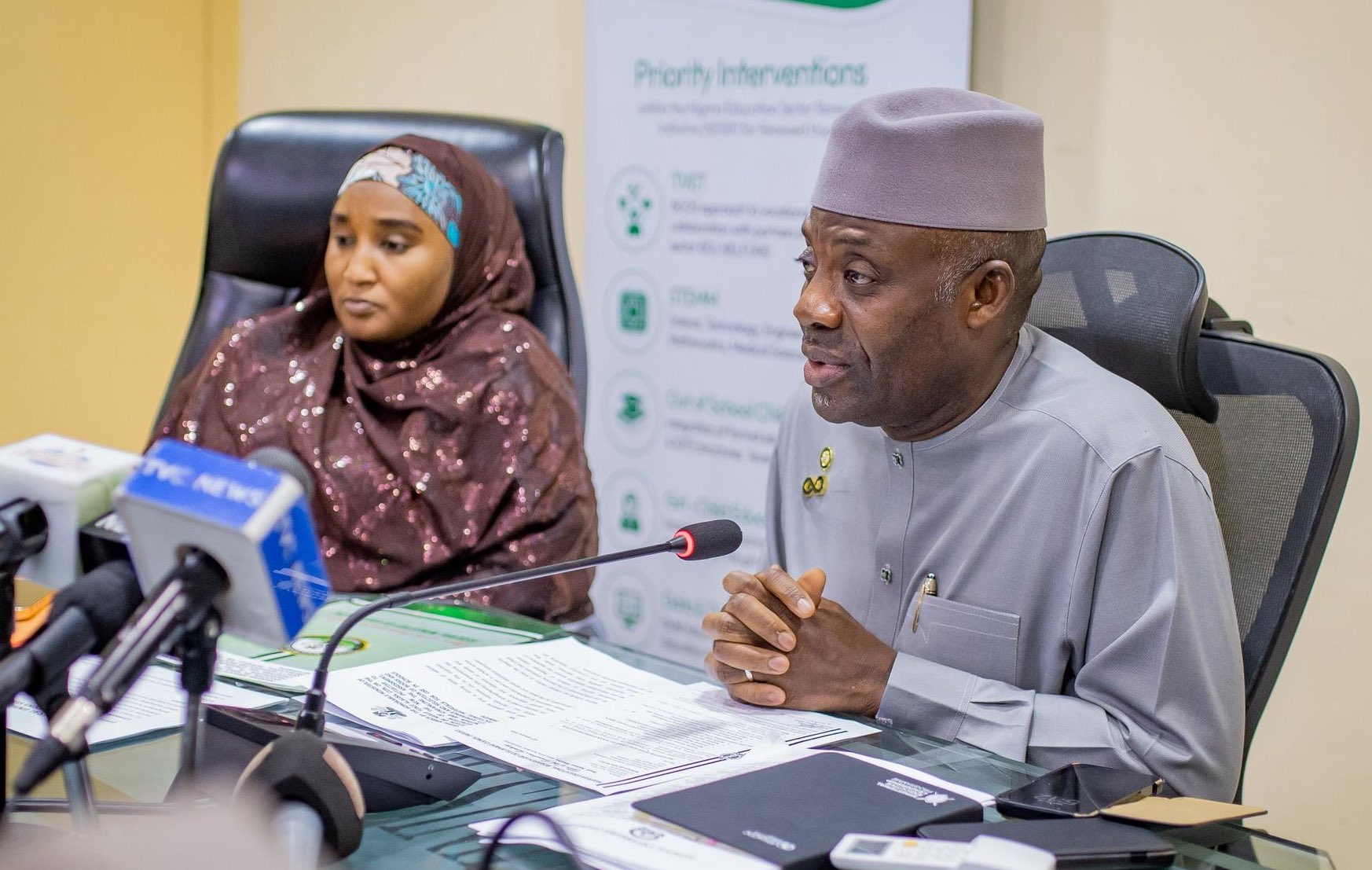
 Speaking during the Committee’s inauguration in Abuja, the Minister, while urging the Committee to be guided by professionalism, objectivity, and the long-term interest of Nigerian learners, said that the existing system had failed to adequately validate and rank textbooks before approval, thus instructional materials of minimal quality were approved alongside those of much higher pedagogical value. Not only that, the absence of a robust ranking structure resulted in a situation where some subjects had up to 50 approved books with no clear quality benchmarks. The Minister added that Publishers had also bundled workbooks and consumables with core textbooks, forcing parents to buy new books every year and placing unnecessary financial pressure on families.
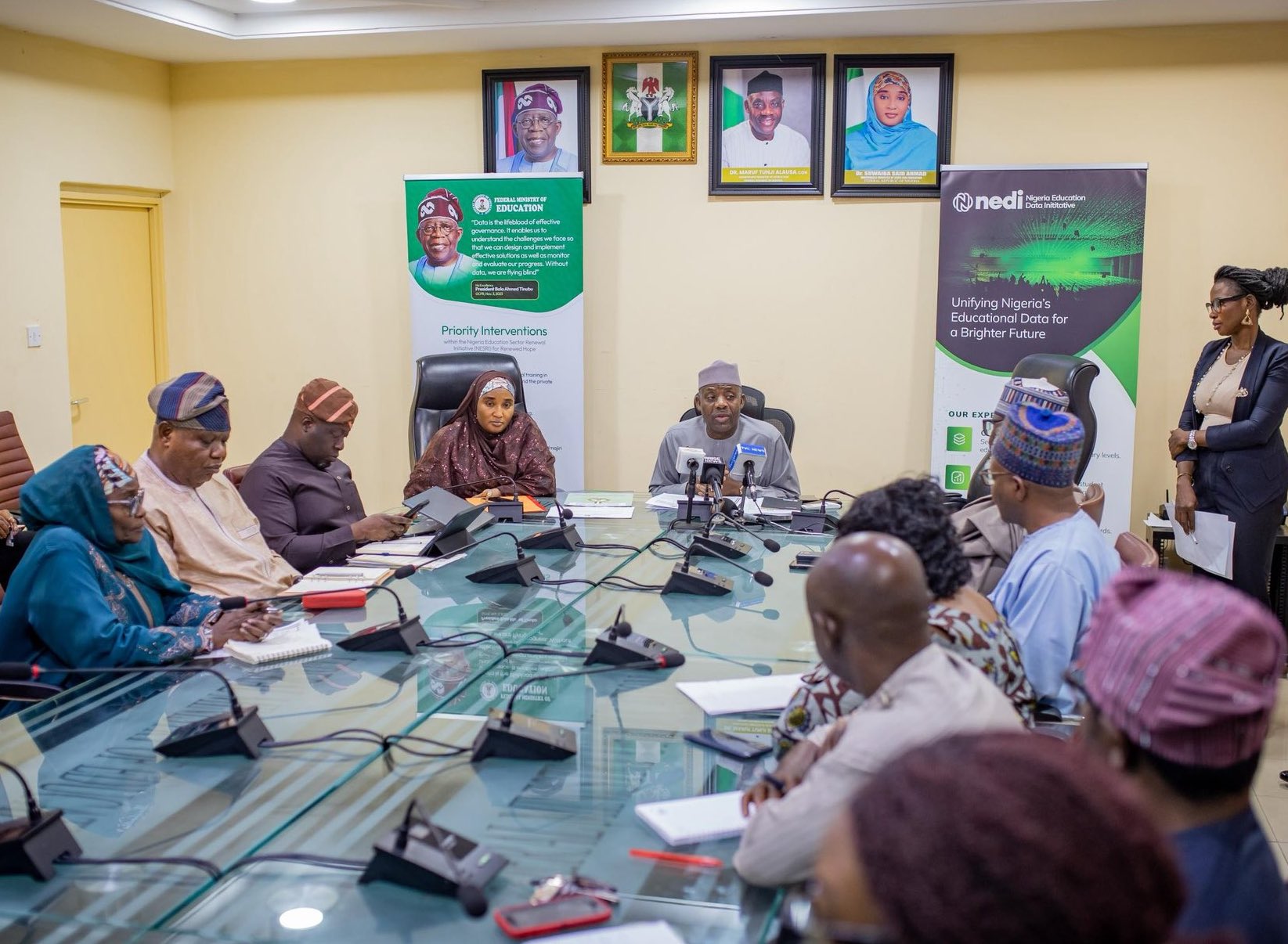
Accordingly, the newly inaugurated Committee’s function is to review existing approval frameworks, rank textbooks based on quality, and set standards to improve the quality and affordability of books in schools. “Your assignment is both timely and strategic. You are expected to critically review existing approval frameworks, recommend strengthened assessment instruments and ranking systems, define clear and enforceable quality benchmarks, and propose mechanisms that ensure genuine content improvement before new editions are approved. You are also expected to address issues of pricing transparency, edition control, separation of textbooks from consumable workbooks, and protection of learners and parents from unnecessary financial burdens,” said Dr. Alausa while charging the Committee Members drawn from education agencies including the National Educational Research and Development Council (NERDC), Universal Basic Education Commission (UBEC), the National Teachers’ Institute (NTI), and the National Senior Secondary Education Commission (NSSEC).
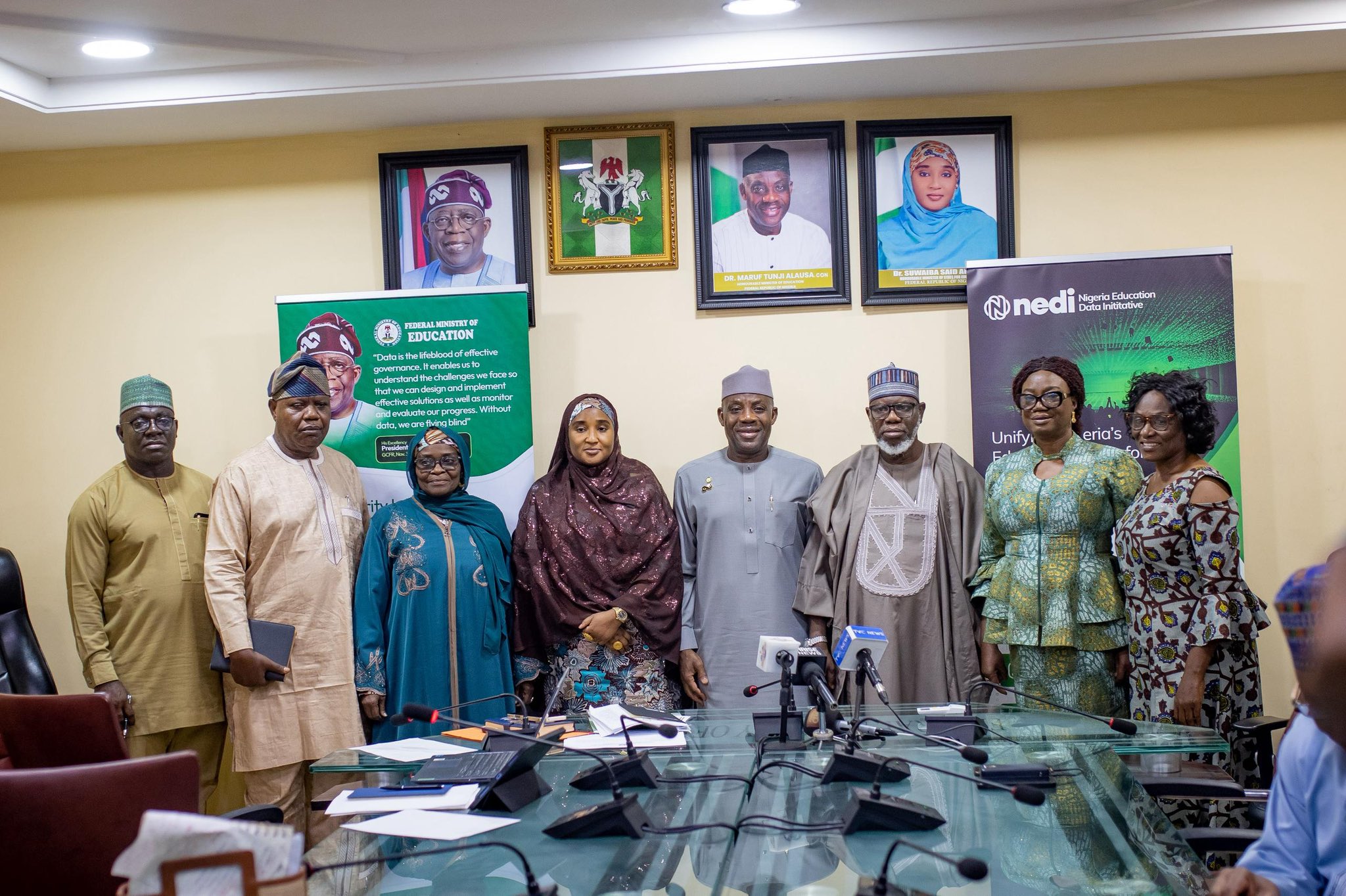
As the newly inaugurated Committee chaired by the Minister of State for Education, Prof. Suwaiba Sai’d Ahmad, begins work, observers believe that the body’s activities will not only curb substandard book production, but will also sanitise the printing and publishing value-chain of the Nigerian economy, bringing about quality book production in line with international standards as players adopt the use of best practices and technologies. This is inline with the Federal Government’s resolve to safeguard educational standards, promote equity, reduce costs for parents, and ensure learners across Nigeria have access to quality instructional materials that support effective teaching and learning outcomes.